

Table of Contents
- Understand What Makes Someone Picky About Gifts
- How to Find Out What Someone Wants as a Gift
- Gifts for People Who Have Everything
- Useful Gifts for Hard to Buy For People
- Match the Gift to Their Personality Type
- Set Clear Boundaries and Respect Preferences
- Choose Quality and Presentation Over Quantity
- Frequently Asked Questions
Last Updated: October 11, 2026
Understand What Makes Someone Picky About Gifts
A picky gift recipient isn't difficult, they're just selective. They know what they like and what they don't. Understanding this distinction changes everything about how you approach the gift-giving process.
People become picky about gifts for several reasons. Some have strong aesthetic preferences. Others already own most things they need. Many simply prefer experiences or meaningful items over random objects.
At Callie's Collection, we've learned that understanding how to choose thoughtful gifts for picky people starts with shifting your thinking. Stop trying to guess. Start trying to understand. This small mental shift makes choosing thoughtful gifts for picky people far less stressful.
How to Find Out What Someone Wants as a Gift
The most direct path to choosing thoughtful gifts for picky people is simply asking, but asking the right way. You don't need to ruin the surprise or make them feel put on the spot. A structured approach, combining observation, gentle questioning, and secondary sources, removes guesswork and respects their preferences.
Listen for hints in everyday conversation
People drop clues constantly. They mention things they've been meaning to buy, problems they're trying to solve, or activities they wish they had time for. When someone says "I've been looking for a good [item]" or "I really want to try [experience]," write it down.
The best hints come from casual complaints. If they mention their workspace feels cluttered, they value minimalism. If they talk about a hobby they're picking up, they're signalling what matters to them right now. These aren't random comments, they're windows into what would genuinely improve their life.
Ask tactful, low-pressure questions
Direct questions work better with picky people than with anyone else, they appreciate honesty over guessing. Frame questions as genuine curiosity, not as a gift-hunting interrogation.
Try open-ended prompts: "What's something you've wanted to try lately?" or "Is there anything on your radar you've been putting off?" Avoid yes-or-no questions that feel like a quiz.
If you're uncomfortable asking the person directly, ask someone close to them, a partner, close friend, or family member who knows their current interests and constraints. Frame it as: "I want to get something they'd actually use.
Observe their lifestyle and habits
Watch how they spend their time and money. Do they invest in quality over quantity? Are they organised or creative? Do they prefer experiences or possessions? Their habits reveal their values.
Someone who buys premium coffee is different from someone who buys discount coffee. A person who takes regular holidays prioritises experiences. Someone with a carefully curated home cares about aesthetics. These patterns tell you what kind of gift will actually resonate with them.
Check their social media, wish lists, and saved items
Many people maintain wish lists on shopping platforms or share interests on social media. A quick look at what they follow, like, or save gives you genuine insight into their preferences.
Don't treat this as stalking, treat it as research. If they've bookmarked something, they're interested. If they follow a particular brand or creator, they admire that aesthetic or approach. Some people maintain public wish lists on major retailers or curated lists on platforms like Pinterest, if they've shared these with you or made them public, they're signalling what they want. This information is freely shared and genuinely helpful for understanding what they value.
Gifts for People Who Have Everything
When someone already owns most things they need, the solution isn't finding another object, it's shifting categories entirely. The best gifts for people who have everything fall into a few distinct categories, each suited to different preferences and constraints.
Experiences over objects
Experiences create memories. They can't be forgotten in a drawer. For someone who has everything, an experience is often more valuable than any physical gift.
Consider what they enjoy: a cooking class, a concert ticket, a weekend getaway, a spa treatment, or an adventure they've mentioned wanting to try. Experiences are personal, memorable, and impossible to duplicate. They also give you an excuse to spend time together or support something they genuinely care about. The advantage is that experiences don't add to their physical space, a key concern for people who already feel they have enough.
Consumables and replenishables
Consumables solve the "I don't need more things" problem by design. They're used up, enjoyed, and gone, no clutter, no obligation to keep them.
Think premium coffee, specialty tea, artisan chocolates, high-quality skincare, or a subscription to something they enjoy (a magazine, a streaming service, or a monthly delivery of something aligned with their interests). Consumables feel thoughtful because they're often something people wouldn't buy for themselves, yet they're genuinely useful. They also give the gift a natural endpoint, no guilt about whether they're using it.
Personalised and meaningful items
When you do choose an object for someone picky, make it personal. A generic item feels like you didn't try. A personalised or meaningful one shows you understand them.
This could be a book by their favourite author, art that matches their aesthetic, or something that references a shared memory or inside joke. The personalisation is what transforms an ordinary gift into something they'll treasure. It proves you were thinking specifically about them, not just grabbing something off a shelf.
Gifts that support their values or passions
People who have everything often care deeply about specific causes, hobbies, or communities. A gift that supports or enhances something they're passionate about feels aligned with who they are.
If they're an avid gardener, a rare seed collection or a specialty tool they don't have yet works. If they support a particular charity or cause, a donation made in their name, or a product from a small business aligned with their values, shows you understand what matters to them. If they're learning something new, a class, a book, or a tool that advances that skill is both useful and shows you're paying attention.
Callie’s Collection E-Gift Card →
Useful Gifts for Hard to Buy For People
Practical gifts work when they solve a real problem or improve daily life. The trick is identifying what actually matters to the person you're buying for.
A useful gift is one they would buy themselves but haven't got around to yet. It fills a genuine gap. It might be a tool they've mentioned needing, an organisational solution for their space, or something that makes a regular task easier or more enjoyable.
The best practical gifts are ones that feel like you really listened. If they mentioned their kitchen lacks proper storage, a clever organisational tool works. If they travel frequently, a quality travel accessory makes sense.
Match the Gift to Their Personality Type
Different people value different things. Matching the gift to their personality increases the chance it's something they'll genuinely appreciate and use.
The minimalist who values simplicity
Minimalists are picky because they're intentional. They don't want clutter. They prefer quality over quantity and meaning over novelty.
For a minimalist, one beautiful, functional item beats ten mediocre ones. Think carefully crafted tools, premium basics, or experiences. Avoid anything decorative that serves no purpose. Avoid anything that creates visual clutter. A minimalist would rather receive nothing than something they'll feel obligated to find space for.
The collector who loves quality
Collectors appreciate depth. They invest in things they're passionate about. They notice quality and craftsmanship. They'd rather have one excellent item than several average ones.
For a collector, research what they collect or admire. Find something that adds to their collection or elevates their experience of it. A collector values authenticity and knows when something is genuinely well-made. They'll appreciate something that shows you understand their passion.
The practical person who needs function
Practical people cut through sentiment. They want gifts that work. They notice when something is poorly designed or doesn't solve the problem it claims to.
For a practical person, focus on utility. What makes their life easier? What do they use constantly? A gift that saves them time, money, or frustration is always welcome. Avoid anything decorative or sentimental unless it also serves a purpose.
Set Clear Boundaries and Respect Preferences
Some picky people have explicit preferences or dislikes. Respecting these boundaries is non-negotiable if you want to give a gift they'll actually appreciate.
If someone has told you they don't want something specific, don't give it to them. If they've mentioned allergies, sensitivities, or values that rule out certain items, take that seriously. If they've said they prefer not to receive certain types of gifts, listen.
Respecting boundaries shows respect for the person. It also makes gift-giving easier because you know exactly what to avoid.
Choose Quality and Presentation Over Quantity
One thoughtful gift is better than five mediocre ones. A single item chosen with care and presented beautifully makes a far stronger impression than a pile of random things.
Quality matters because it signals respect. It says: "I thought about this carefully and chose something I believe you'll genuinely value." Presentation matters because it's the first thing they experience.
At Callie's Collection, we believe presentation is part of the gift. That's why we offer complementary gift wrapping with every purchase.
Consideration |
Why It Matters |
How to Apply It |
|---|---|---|
Quality over quantity |
One excellent item beats five average ones |
Choose one thoughtful gift instead of multiple impulse buys |
Personalisation |
Shows genuine understanding |
Select something that reflects their specific interests or needs |
Presentation |
Sets the tone for the entire experience |
Invest in quality wrapping and thoughtful packaging |
Respect for preferences |
Demonstrates you listen |
Ask directly about dislikes or boundaries |
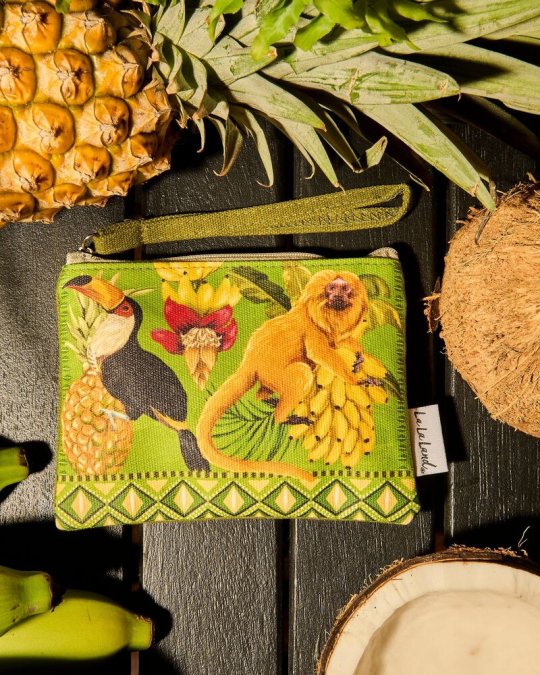
Learning how to choose thoughtful gifts for picky people doesn't have to be stressful. We also offer complementary gift wrapping to ensure your thoughtful choice arrives looking as intentional as it is, plus free click and collect and worldwide shipping options to make gift-giving convenient.
Frequently Asked Questions
How do you find out what a picky person wants without asking directly?
Pay attention to what they mention in conversation, notice gaps in their routine or interests, and check their social media or any public wish lists. You can also ask trusted friends or family members who know them well. Observe what they spend time on, what they complain about needing, or what they admire when you're shopping together. These subtle clues often reveal genuine preferences without making the question obvious.
What makes a gift feel thoughtful and personal for someone hard to please?
A thoughtful gift shows you've paid attention to their specific interests, values, and lifestyle rather than choosing something generic. It reflects something meaningful about your relationship or demonstrates you understand what truly matters to them. Personal touches—whether it's selecting from independent creators, choosing items in their favourite colour, or picking something that solves a real problem in their life—signal genuine care. Quality and presentation matter too; a beautifully wrapped single meaningful item often resonates more than multiple items chosen at random.
Should you ask someone what they want as a gift?
Direct asking can work well, especially if the person appreciates honesty and clarity. Many picky people actually prefer being asked because it removes the guesswork and ensures satisfaction. You might frame it casually: 'I'm looking for gift ideas—is there anything you've had your eye on?' However, if you'd prefer the surprise element, observing and listening remains a valid approach. The key is choosing a method that matches both your relationship style and the recipient's personality.
What should you give someone who already has everything?
Focus on experiences, consumables, or items that add genuine value to their daily life rather than accumulating possessions. Consider gifts that support their hobbies, wellness, or interests—things they might not buy themselves but would genuinely use and appreciate. Personalised or artisan-made items from independent creators often appeal because they're unique and carry thoughtfulness. You might also consider a gift card that lets them choose exactly what they want, removing any risk of duplication or mismatch.