

Table of Contents
- Why Some People Are Harder to Buy For
- Step 1: Build a Personality and Lifestyle Profile
- Step 2: Decide Between Experiential and Physical Gifts
- Step 3: Set a Realistic Budget and Stick to It
- Thoughtful Gift Ideas for Difficult Recipients
- How to Buy Unique Gifts Online
- Common Mistakes to Avoid When Choosing Gifts
- Final Thoughts
- Frequently Asked Questions
Last Updated: September 28, 2026
Why Some People Are Harder to Buy For
Some people seem to have everything. Others are so particular that nothing feels quite right. The real problem is guessing at their taste, interests, and lifestyle. The solution is to stop guessing and start observing, then match the gift to who they actually are.
At Callie's Collection, we help customers find unique gifts hard to buy by understanding the person first. This guide walks you through a proven process to choose gifts that actually land, even for the hardest-to-buy-for people in your life.
Step 1: Build a Personality and Lifestyle Profile
Before you search for anything, understand who you're buying for. This takes time, but it saves you from wasting money on the wrong thing.
Observe without asking
The best information comes from watching, not asking. When you ask someone what they want, they either say "nothing" or give you a safe answer. Neither helps.
Instead, pay attention to what they actually do:
- What do they spend time on? (Work, hobbies, family, fitness, learning)
- What do they talk about? (Listen for repeated topics or frustrations)
- What's in their space? (Home décor, books, equipment, collections)
- What do they wear? (Style, colour preferences, practical vs. aesthetic)
- What problems do they mention? (Time, organisation, comfort, connection)
Lll Cz Ll93 (1)
This observation phase takes a few weeks. If they mention a hobby twice, that's a signal. If their home is minimalist, they probably don't want clutter. If they're always rushing, they might value time-saving gifts.
Map their interests and passions
Write down what you've observed. Create a simple profile with three sections:
Their world:
- Main hobbies or interests
- Work or career focus
- Family or relationship priorities
- Health or wellness focus
Their style:
- Aesthetic (modern, vintage, natural, bold, minimal)
- Practical or sentimental preference
- Quality over quantity, or variety
- Digital or physical preference
Their challenges:
- What do they complain about?
- What takes up their time?
- What would make their life easier?
- What are they learning or exploring?
This profile becomes your filter. Every gift idea you consider gets tested against it. Does it fit their world? Does it match their style? Does it solve a real problem or feed a real passion?
Step 2: Decide Between Experiential and Physical Gifts
This decision cuts your options in half and points you in the right direction.
Understanding the psychology behind the choice
People fall into two broad camps: those who derive lasting satisfaction from doing and those who derive it from having.
Experiential gifts (classes, meals, activities, trips, events) create memories and stories. They're consumed in the moment but live on as narrative. They're especially powerful for people who:
- Talk frequently about what they've done or plan to do
- Collect experiences rather than objects (travel photos, event tickets, certificates)
- Feel energised by novelty and learning
- Have limited physical space or actively resist accumulation
- Measure life satisfaction by what they've experienced rather than what they own
- Often say "I'd rather spend money on experiences than things"
Physical gifts (objects, items, possessions) provide ongoing utility, aesthetic pleasure, or functional value. They're especially right for people who:
- Display or curate their possessions intentionally
- Talk about owning quality items or building collections
- Feel comforted by tangible, lasting things
- Have space and actively maintain their environment
- Measure life satisfaction by the quality of their surroundings
- Often say "I love owning beautiful things" or "I use this every day"
The decision framework
Ask yourself these questions in order:
- How do they talk about happiness? Do they describe happy moments as things they did or things they own? Listen for the language. "I loved that trip" vs. "I love my new kitchen."
- What do they invest in? Where does their discretionary money actually go? If they're always booking activities, experiences fit. If they're always upgrading their home or gear, physical fits.
- What's their living situation? Someone in a small flat or who travels frequently has limited space for objects. Someone with a stable home and dedicated spaces can appreciate physical gifts more fully.
- What problem are you solving? If they mention being bored, stressed, or disconnected, an experience addresses that directly. If they mention a gap in their toolkit, wardrobe, or home, a physical gift fills it.
- What's their relationship with stuff? Some people love owning things; others see possessions as obligations. A minimalist won't treasure a decorative object. A collector will.
If three or more point toward experiences, lean that way. If toward physical, commit to that path.
Open Up a Conversation: 50 Questions →
Step 3: Set a Realistic Budget and Stick to It
Set a budget before you start shopping. This keeps you focused and prevents decision paralysis. A vague budget leads to either overspending or underspending, both of which undermine the gift.
For most occasions, think about what's appropriate for your relationship:
- Close family: more generous
- Friends: moderate
- Colleagues or acquaintances: modest
- Children or teenagers: varies by age and relationship
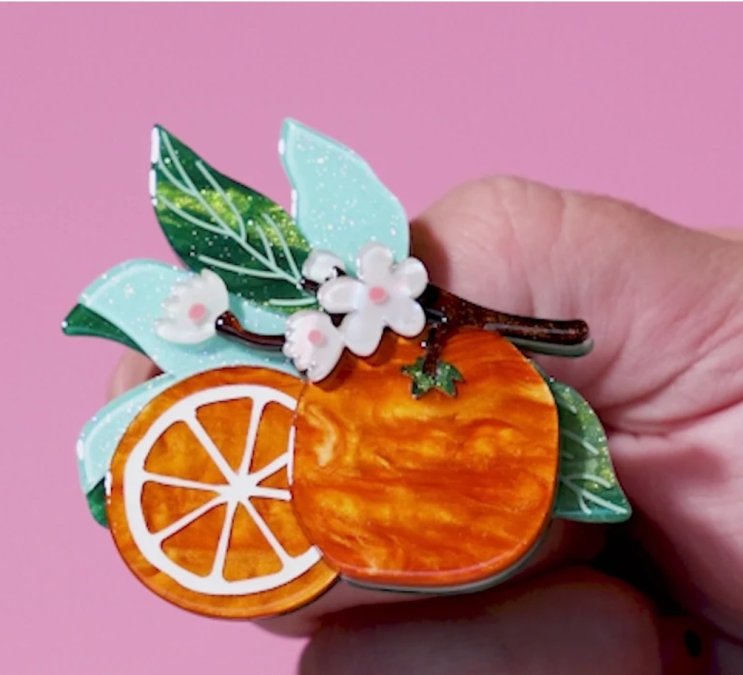
Once you've set a number, stick to it. Don't add extras to justify a higher price. A single thoughtful gift beats multiple smaller items when shopping for unique gifts hard to buy people. And if you're shopping at Callie's Collection, remember that when you spend $140 or more on any Erstwilder products, you'll receive a free gift with purchase, a bonus that adds value without stretching your budget further.
Thoughtful Gift Ideas for Difficult Recipients
Personalised and custom-made options
Personalised gifts show effort and work best when they're useful, not just decorative.
Consider:
- Handwritten letters or memory books
Callie's Collection stocks thoughtful cards and conversation starters like Open Up a Conversation: 50 Questions for Kids and Families to Answer, a gift that creates connection and memory-making rather than adding clutter. It's particularly strong for families wanting to deepen relationships.

Open Up a Conversation: 50 Questions for Kids and Families to Answer
Subscription and digital gifts
Subscriptions keep giving over time and bypass the "I don't know their taste" problem by offering access rather than an object.
Consider:
- Streaming or reading subscriptions
- Learning platforms (courses, workshops, language apps)
- Monthly boxes (tea, coffee, snacks, books)
- Audiobook or podcast credits
- Fitness or wellness app memberships
- Software or tool subscriptions
Sustainable and mindful choices
People who care about the environment often struggle with gift-giving. They don't want more stuff. They want gifts that matter without adding waste.
Sustainable gifts show you understand their values. They're not just thoughtful, they're aligned with how they want to live.
Consider:
- Reusable items (water bottles, coffee cups, shopping bags)
- Experiences over objects (tickets, classes, travel)
- Gifts that reduce waste (compost bins, refillable containers, repair kits)
- Gifts that support ethical brands
- Consumables (tea, coffee, candles, skincare)
- Gifts that give back (donations made in their name)
Callie's Collection offers cards from the Positively Green line, like Laughter Is A Gift Everyone Should Open - Birthday Card and Brilliance Is Hard To Describe - Positively Green, printed on recycled stock with soy ink. Cards are consumable, sustainable, and meaningful, they don't add clutter.


How to Buy Unique Gifts Online
Shopping online for unique gifts requires a different strategy than shopping in-store. You can't see the item in person. You can't feel the quality. You're relying on descriptions and reviews.
Start with your profile. Filter by the interests and style you've already identified.
Common Mistakes to Avoid When Choosing Gifts
Buying for yourself, not them. The most common mistake. You love coffee, so you buy a premium coffee maker. They don't drink coffee. It sits unused. The fix: test every gift idea against your personality profile. Does it fit their world, or yours?
The mistake you can fix: building a feedback loop
Watch for usage. Does the gift get used? If it's a physical item, do you see them using it within a week? If it's an experience, do they talk about it afterward? If neither happens, that's data. It tells you something about your choice.
Final Thoughts
Choosing unique gifts for hard-to-buy-for people isn't about luck or guesswork. It's about observation, understanding, and matching the gift to the person. The process takes effort upfront, but it pays off in gifts that are actually used, treasured, and remembered.
Frequently Asked Questions
How do I choose a unique gift that feels personal rather than generic?
Start by observing the recipient's lifestyle, habits, and passions rather than guessing. Notice what they talk about, what's on their shelves, and how they spend their time. A thoughtful gift connects to something genuine about them—their hobbies, values, or an inside joke—rather than a broad assumption. Personalised options, like cards with meaningful messages, add that extra touch of intentionality that transforms a gift from ordinary to memorable.
What's the best approach when someone says they don't want anything?
When someone claims they don't want gifts, they often mean they don't want clutter or obligation. Consider experiential gifts (events, activities, or time together), subscription services, or consumables they'll use and enjoy without guilt. Alternatively, a thoughtful card paired with a small, purposeful item—something aligned with their interests—can feel less like an obligation and more like genuine care. The key is showing you listened to what matters to them, not what they think they should want.
Should I give an experience or a physical item to someone hard to buy for?
Experiential gifts often win for difficult recipients because they create memories rather than adding possessions. However, the right choice depends on the person. If they value memories and quality time, an experience works well. If they appreciate having something tangible they can use or display, a thoughtful physical gift—especially one personalised or aligned with their hobbies—may resonate more. Consider their lifestyle: busy professionals might prefer time-saving items, while adventurous types might crave new experiences.
How can I find unique gifts online when I don't know where to start?
Begin by searching for gifts related to their specific interests or hobbies rather than generic 'gifts for [person type]' searches. Curated online retailers often organise gifts by lifestyle, personality type, and occasion, making it easier to browse thoughtfully. Look for options that offer personalisation, sustainable materials, or items that solve a real problem in their life. Many online retailers also offer complementary gift wrapping and reliable delivery, removing the stress of presentation and timing from your shopping experience.